Here’s something many people don’t realise: most health conditions don’t arrive suddenly. They tend to develop gradually, often over years, without obvious symptoms.
Preventive health is about recognising these changes early — before they become more complex, disruptive, or harder to manage. And it matters whether you’re 25, 45, or 75.
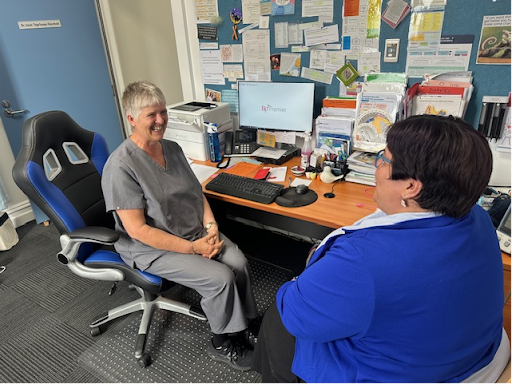
At Treasury Medical in Hobart, preventive health isn’t something you “graduate into” later in life. It’s part of thoughtful, relationship-based general practice at every stage.
Below are seven practical things worth knowing:
1. Preventive health is about timing, not fear
Preventive health isn’t about searching for problems or creating anxiety. It’s about choosing the right moment to check in — before something demands attention.
Often, preventive care involves small, timely conversations about habits, patterns, or trends. Sometimes it means monitoring something over time. Sometimes it confirms that everything is tracking normally.
Occasionally, it identifies an issue you genuinely need to know about. The goal is clarity, not alarm.
2. It’s most effective when you feel well
Many people assume preventive healthcare only applies if they already have a diagnosis. In reality, it’s often most useful when you feel well. By definition screening occurs without signs or symptoms, otherwise we are investigating. Tracking health markers over time allows patterns to emerge that wouldn’t be obvious in a single visit. That’s especially important for people juggling work, family, travel, or long hours, where health concerns are easy to put aside.
This is also why continuity of care matters. Seeing the same GP over time allows subtle changes to be noticed and interpreted in context, rather than treated as isolated events.
3. Feeling “young and healthy” doesn’t mean risk-free
Feeling well today doesn’t always reflect what’s happening beneath the surface.
Blood pressure, cholesterol, skin changes, metabolic and other markers often change gradually. Preventive care helps establish a baseline early, so future changes are easier to interpret and manage.
Many patients are surprised by how reassuring this can be — knowing where they stand, rather than guessing.
4. Preventive health looks different for everyone
There’s no universal checklist for preventive care.
What’s relevant depends on factors such as:
- Family health history
- Work environment and exposures
- Lifestyle and activity levels
- Travel habits
- Age and life stage
- Cultural background
Two people with similar routines can have very different preventive health needs. Good preventive care is personalised, not generic.
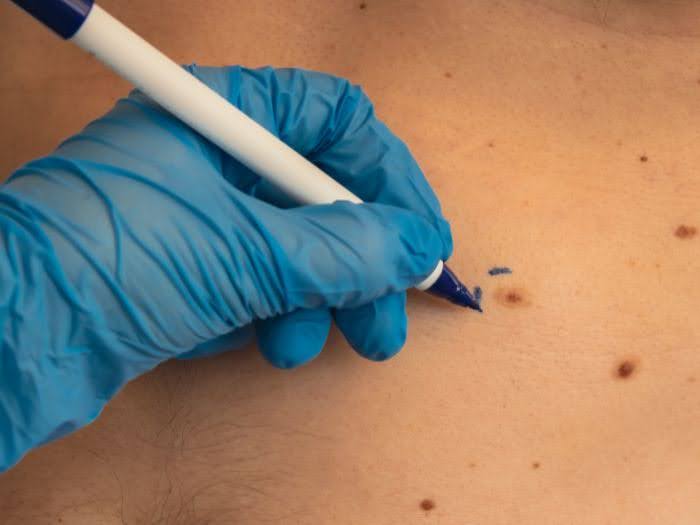
5. Skin checks are a practical starting point
In Tasmania, sun damage is often underestimated. Cooler temperatures and cloud cover can create a false sense of security, even though UV exposure accumulates quietly over time.
Regular skin checks are a clear example of preventive health in action.
Identifying changes early often allows for simpler assessment and management, before things become more complex.
For many people, a skin check is an accessible and sensible place to start — particularly if it’s been a while, or if you’ve never had one.
6. Continuity makes preventive care work better
Preventive health works best when your GP knows you over time.
At Treasury Medical, we prioritise continuity of care because it allows small changes to be noticed across years, not just addressed in isolation. Preventive care benefits from time, familiarity, and clinical context. This approach is one reason many of our patients come from both near and far— they value thoughtful, long-term care rather than rushed appointments.
7. Preventive health preserves future choices
The biggest benefit of preventive health isn’t just avoiding illness. It’s preserving options.
Early awareness often allows for simpler decisions, fewer surprises, and more control over how health is managed as life evolves. In many cases, small adjustments made early are far easier than more complex treatment later. Blood pressure is a good example. It’s simple to measure, often overlooked, and easy to dismiss when it’s only mildly elevated.
But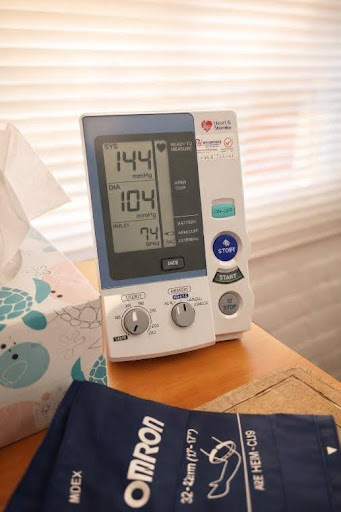 when raised blood pressure goes unmeasured or unmanaged for years, it can quietly affect the heart, kidneys, eyes and brain. Many of these changes aren’t fully, even though they could often have been prevented with earlier detection, discussion and management.
What to do next
Preventive health isn’t about pressure or urgency.
If you’re unsure when your last preventive review or skin check was — or if you’ve never really thought about it before — now is often a sensible time to start. Treasury Medical offers comprehensive preventive health care, including skin checks, delivered in a calm, professional setting in central Hobart.
If you’d like to discuss whether a preventive review is appropriate for you, our team is happy to help.
About Treasury Medical
Treasury Medical is an independent, doctor-owned general practice in Hobart, focused on continuity, thoughtful medicine, and long-term patient relationships.