Most people know when to see their GP for the flu, a repeat prescription, or a sick child. But there are plenty of everyday health concerns that people either put up with, search online, or assume require a specialist.
In many cases, your GP is the best place to start. Here are six health concerns that often surprise patients.
What this article covers
Constant tiredness
Ask yourself: When was the last time you woke up feeling genuinely refreshed?
If your answer is “I can’t remember”, it’s worth paying attention. Feeling exhausted has become so common that many people simply accept it as part of modern life, but constant tiredness is not always explained by being busy.
Low iron, thyroid conditions, diabetes, poor sleep, vitamin deficiencies and some medications can all leave you feeling drained.
At Treasury Medical, your GP can help work out whether there’s an underlying cause, often starting with appropriate blood tests. If low iron is identified, treatment options, including iron infusions where appropriate, are available at the practice.
An interesting point about low iron: Australian data shows that inadequate iron intake is particularly common in women of child-bearing age, which is one reason persistent tiredness is worth discussing rather than simply pushing through it.
Poor sleep and snoring
Ask someone who shares your bedroom: Do I snore every night?
You might be surprised by the answer.
Loud snoring, pauses in breathing, waking with headaches, or feeling exhausted despite a full night’s sleep can all point towards sleep apnoea. Many people only discover there’s a problem because their partner notices it first.
Your GP can assess whether a sleep study is appropriate and guide you through the next steps if treatment is needed.
Can loud snoring be dangerous? (Apart from annoying your partner, we mean). Yes, it can sometimes be a sign of obstructive sleep apnoea. Left untreated, sleep apnoea has been linked to high blood pressure, heart disease, stroke, and daytime fatigue.
Skin changes
Could you confidently say whether that mole has changed over the past year?
Most skin changes are harmless, but appearance alone doesn’t always tell the full story.
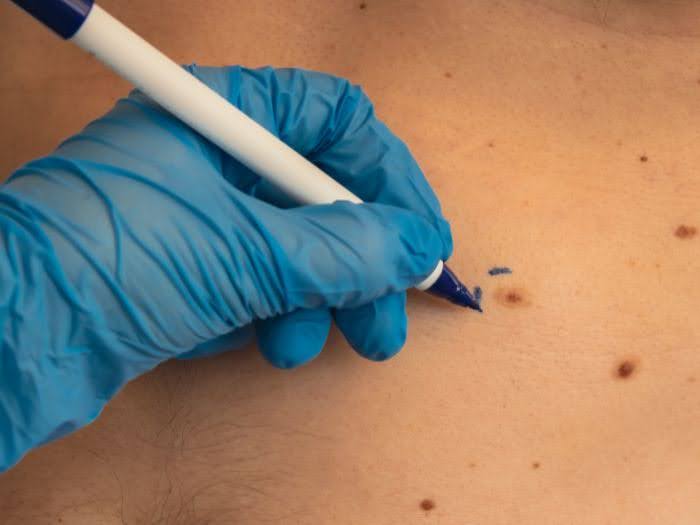
At Treasury Medical, Dr Scott Finlayson performs comprehensive skin checks using dermoscopy and DermEngine digital imaging when clinically appropriate, helping detect subtle changes that are difficult to see with the naked eye.
Skin checks are a major part of preventive health, which we cover in more detail here.
Check your skin right now. If you’ve noticed a spot that’s new, changing, or simply doesn’t look like your others, the Cancer Council Australia has a helpful guide to the common signs of skin cancer. While self-checks are a good habit, they don’t replace a professional skin examination.
Travel health
Planning an overseas holiday? Your bag probably isn’t the first thing you should prepare.
Different destinations bring different health risks, and travel medicine is about much more than vaccinations. Your itinerary, existing medical conditions, planned activities, and even the time of year you’re travelling can all influence the advice you receive.
Some countries recommend certain vaccinations, while others require proof of vaccination before you can enter. Planning ahead also allows enough time for vaccines to become effective before you leave.
If you’re travelling overseas, it’s worth booking a travel health appointment several weeks before departure. You can learn more about our Travel Vaccinations service here.
A quick look at recommended vaccinations by destination:
- Hepatitis A: Asia, Africa, Central and South America, Middle East, Pacific
- Hepatitis B: Asia, Africa, Pacific, Eastern Europe, South America
- Typhoid: Asia, Africa, Central and South America
- Tetanus, diphtheria & pertussis: Worldwide
- Influenza: Worldwide, especially during flu season and cruises
- Rabies: Asia, Africa, Central and South America
- Japanese encephalitis: Parts of Asia and Papua New Guinea
- Meningococcal: Sub-Saharan Africa and Saudi Arabia (Hajj/Umrah)
- Yellow fever: Tropical Africa and South America

Memory and concentration
Have you been reading the same paragraph twice lately? How about this very sentence?
Most people occasionally forget names or misplace their keys. That’s part of life.
What deserves attention is when forgetfulness, brain fog or poor concentration becomes noticeably different from what’s normal for you.
For example, reading the same paragraph two or three times before it sinks in, or starting a work email and losing your train of thought a few moments later.
- Poor sleep
- Stress
- Vitamin deficiencies
- Medication
- And other health conditions
All contribute, and they’re often worth discussing before assuming it’s simply ageing.
A quick note on vitamin deficiencies: Vitamin B12, folate and iron all support healthy brain function, and low levels can contribute to fatigue and poor concentration. A simple blood test can often identify whether they’re involved.
A GP consultation is the first port of call
The examples above all have one thing in common: You don’t need to know what’s causing the problem before seeing your GP.
If you’ve noticed a change in your health, even one that seems small, your GP can help decide whether it’s something to monitor, investigate, or simply put your mind at ease.